Dangerous Polystyrene
Dangerous Polystyrene
Many people are not aware of the harmful effects of Polystyrene. This post aims to highlight some of the dangers, both to our health and to the environment. According to ChemicalSafetyFacts.org Polystyrene is a versatile plastic used to make a wide variety of consumer products.It is one of those materials that’s everywhere around us. Polystyrene is an inexpensive and hard plastic Polystyrene is also used to make drinking cups and food containers – the hard plastic ones and also the soft foamy ones. A popular brand of polystyrene foam is called Styrofoam™.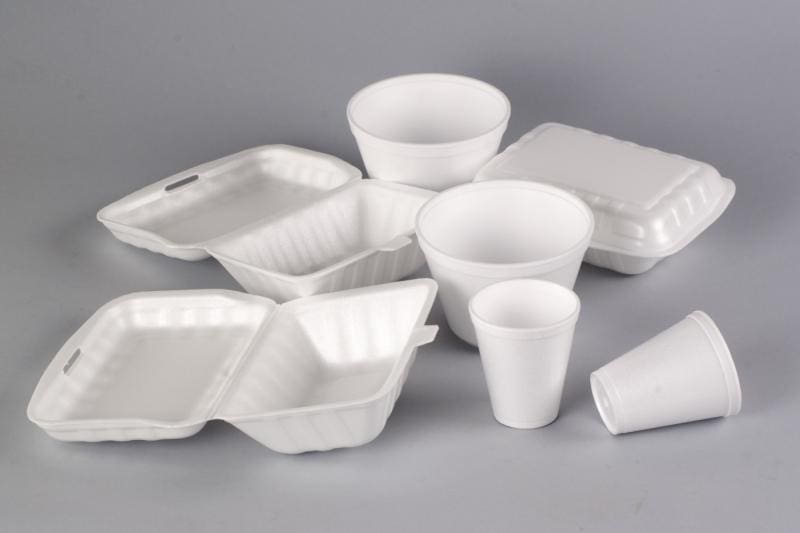
Common polystyrene items-https://www.lipstiq.com/2016/124822/polystyrene
Polystyrene effects on Humans
Polystyrene contains the toxic substances Styrene and Benzene, suspected carcinogens and neurotoxins that are hazardous to humans. Hot foods and liquids actually start a partial breakdown of the Styrofoam, causing some toxins to be absorbed into our bloodstream and tissue. Polystyrene material should not be put in microwaves as they are not heat stable and could leak hazardous compounds from the container or plastic wrap to the food. Burning polystyrene emits Carbon Monoxide and styrene monomers into the atmosphere, which can be extremely hazardous to our health.Contribution to Global Warming
A 1986 EPA report on solid waste named the polystyrene manufacturing process as the fifth largest creator of hazardous waste in the United State.(bbarbados.com/dangers-of-polystyrene). Polystyrene is usually manufactured using hydro chlorofluorocarbons blowing agents which causes ozone depletion and global warming. Although the ozone depletion potential is greatly reduced relative to chlorofluorocarbons which were formerly used, it still has 1000 times stronger effect on global warming than carbon dioxide.

Polystyrene Pollution- http://nyc.sierraclub.org/2017/06/02/1817/
Can polystyrene be recycled?
Whilst the technology does exist in some countries to recycle polystyrene, the market for recycling it is small and shrinking. This is due to the difficulty of cleaning and restoring containers that have previously been used for food storage , resulting in food hygiene issue for recyclers.
Although recycling may seem like an unreliable option, there are other ways we can combat polystyrene pollution. These methods include:
- Being aware of the harmful effects of using polystyrene products and informing others.
- Using reusable cups at work instead of foam cups.
- When shopping for groceries, select items that are unwrapped, or wrapped in non-polystyrene materials: (e.g. vegetables, eggs, meat)
- Asking local takeaway restaurants and food suppliers to use a more environmentally friendly form of food packaging other than Styrofoam. Many alternatives are now available made from materials such as post-consumer recycled paper and corn-plastics.

Sustainable Paperboard Food Packaging- fold-pak.com/sustainability


Comments
Post a Comment